Walk into any wellness store in the U.S., and you’ll see shelves filled with:
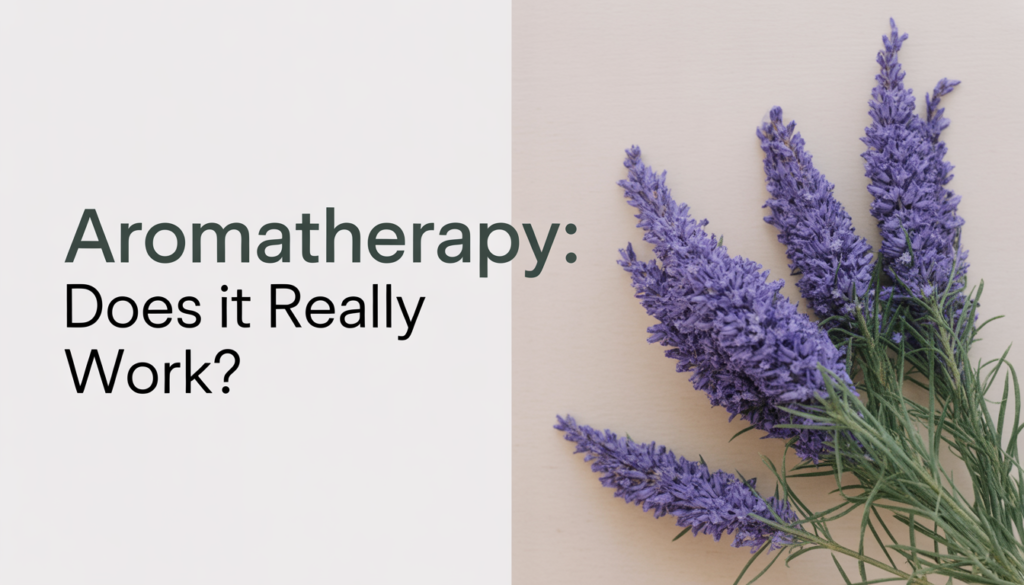
👉 Lavender oils for sleep
👉 Peppermint oils for headaches
👉 Eucalyptus oils for breathing
Aromatherapy has exploded into a multi-billion-dollar wellness industry—but one question remains:
👉 Does aromatherapy actually work, or is it just hype?
In this complete, research-backed guide, we’ll explore:
- What aromatherapy really is
- How it affects your brain and body
- What science says (and doesn’t say)
- Real benefits vs myths
- How to use it safely
🖼️ What Aromatherapy Looks Like in Practice
Aromatherapy involves using essential oils extracted from plants to improve physical and emotional well-being.
Common methods include:
- Inhaling oils through diffusers
- Applying diluted oils to skin
- Using oils in baths or massages
🌿 What Is Aromatherapy?
Aromatherapy is a form of complementary or alternative medicine that uses essential oils for therapeutic effects.
Essential oils are:
- Concentrated plant extracts
- Derived from flowers, leaves, bark, or roots
- Packed with aromatic compounds
These compounds give each oil its unique scent and potential biological effects
🧠 How Aromatherapy Works (The Brain Connection)
When you inhale essential oils:
- Scent molecules travel through your nose
- They stimulate olfactory nerves
- Signals go directly to the brain’s amygdala (emotional center)
This is why certain smells can instantly:
- Relax you
- Trigger memories
- Improve mood
👉 Aromatherapy works largely through brain–emotion pathways, not direct medical effects
⚖️ The Big Question: Does Aromatherapy Really Work?
✔ What Science Supports
Research suggests aromatherapy may help with:
1. Stress & Anxiety Reduction
Some studies show essential oils can promote relaxation
2. Sleep Improvement
Lavender oil is commonly linked to better sleep quality
3. Mood Enhancement
Citrus oils may boost mood and reduce fatigue
👉 These benefits are mostly psychological and sensory, not curative
❗ What Science Does NOT Support
- No strong evidence that aromatherapy cures diseases
- Clinical results are mixed and inconclusive
- Effects vary widely between individuals
👉 Experts conclude that while aromatherapy may help with symptoms, it should not replace medical treatment
🧪 What Research Actually Says
According to medical sources:
- Aromatherapy can positively impact well-being when used safely
- Evidence for medical benefits in humans is limited and inconsistent
- Some studies show improvements in anxiety, sleep, and nausea—but not consistently
👉 In short:
✔ Helpful for relaxation
❌ Not a cure for diseases
🌸 Popular Essential Oils and Their Uses
🌿 Lavender Oil
- Stress relief
- Sleep support
🌱 Peppermint Oil
- Headache relief
- Energy boost
🌳 Tea Tree Oil
- Acne treatment
- Antimicrobial use
🍋 Lemon Oil
- Mood enhancement
- Cleaning uses
👉 Each oil has different properties, but results depend on usage and individual response.
💡 Why Aromatherapy Feels Effective
Even when science is inconclusive, aromatherapy often “works” because of:
🧠 1. Placebo Effect
Belief can influence perception of relief
🌿 2. Sensory Relaxation
Pleasant scents reduce stress
🧘 3. Mindfulness & Ritual
Using oils often involves calming routines
👉 These factors can create real, noticeable benefits.
📊 Aromatherapy Benefits vs Limitations
| Category | Benefits | Limitations |
|---|---|---|
| Mental Health | Reduces stress | Not a cure |
| Sleep | Improves relaxation | Results vary |
| Physical Health | Mild symptom relief | Limited evidence |
| Medical Use | Complementary | Not primary treatment |
🧴 How to Use Aromatherapy Safely
✔ Safe Methods
- Diffusers
- Inhalers
- Diluted topical application
⚠️ Safety Tips
- Always dilute essential oils
- Avoid ingestion
- Patch test before skin use
- Keep away from children and pets
👉 Essential oils are highly concentrated and can cause irritation if misused
🚫 Risks and Side Effects
Aromatherapy is not risk-free.
Potential issues include:
- Skin irritation
- Allergic reactions
- Respiratory problems
- Toxicity if ingested
👉 “Natural” does NOT always mean safe.
This article naturally targets:
- aromatherapy benefits and risks
- essential oils do they work
- aromatherapy for anxiety USA
- lavender oil sleep benefits
- essential oils science evidence
- aromatherapy side effects
- best essential oils for stress
💡 10 Expert Tips for Using Aromatherapy Effectively
1. Use High-Quality Oils
2. Start with Small Amounts
3. Focus on Specific Goals (sleep, stress)
4. Combine with Relaxation Techniques
5. Avoid Overuse
6. Use Proper Dilution
7. Store Oils Properly
8. Check for Allergies
9. Avoid Medical Claims
10. Consult Professionals if Needed
🧾 Common Aromatherapy Myths
❌ Myth 1: Essential Oils Cure Diseases
👉 No scientific proof
❌ Myth 2: Natural Means Safe
👉 Some oils can be harmful
❌ Myth 3: More Oil = Better Results
👉 Overuse can cause irritation
👩⚕️ Who Can Benefit Most?
Aromatherapy may help:
- People with stress or anxiety
- Those struggling with sleep
- Individuals seeking relaxation
👉 It works best as a supportive wellness tool.
🌎 Why Aromatherapy Is Trending in the USA (2026)
- Growth of wellness culture
- Demand for natural remedies
- Increased stress levels
- Social media influence
👉 Americans are turning to holistic health approaches.
🧾 Pros and Cons of Aromatherapy
✅ Pros
- Easy to use
- Promotes relaxation
- Enhances mood
- Non-invasive
❌ Cons
- Limited scientific evidence
- Not a cure
- Potential side effects
- Quality varies widely
🏁 Final Verdict: Does Aromatherapy Really Work?
✔ Yes—for relaxation and mood support
❌ No—as a medical cure
The truth lies in the middle:
👉 Aromatherapy works best as a complementary therapy, not a replacement for medical treatment.
✨ Conclusion
Aromatherapy isn’t magic—but it’s not meaningless either.
When used correctly, it can:
- Reduce stress
- Improve sleep
- Enhance emotional well-being
👉 The key is to use it realistically, safely, and alongside proven healthcare practices.